
Renting by room and help with future eviction laws?
 admin
admin 

Property118

Renting by room and help with future eviction laws?
I am struggling to understand the new Renters’ Rights Act regulations and eviction process. I hope you can help.
I currently rent 2 rooms in my flat out to two separate lodgers/tenants, and keep the 3rd bedroom in the flat for myself (though it is not my main home). The 2 lodgers (technically tenants?) have both stayed in the flat for 5-10 years.
I had known them for years, and therefore, they pay very low rent for their respective rooms compared to the market. I also pay their council tax, utilities, etc., so I subsidise their stay by paying for the bills myself.
While I have been happy with this arrangement at present (though I’m paying for bills that usually landlords don’t pay), in future, at some point, I would like to rent the whole flat out to a family as a normal rental.
Am I right in understanding that from May 2026, the new regulations will mean that I cannot request these tenants to leave the property in order to rent the flat to a single household?
What happens if one of the tenants leaves because of personal reasons, but the other decides to stay? Will I be forced to keep him in the flat indefinitely, even though he only pays for a room? Neither of the tenants have income enough to rent the whole flat themselves.
I understand I can only ask the tenants to leave if I am selling the property or moving in myself, but what options do I have if I want to rent the whole flat to someone?
If I can’t ask them to leave to rent out the flat properly, I wonder if I should be asking them to leave now, even though they are good tenants?
Rita
The post Renting by room and help with future eviction laws? appeared first on Property118.
View Full Article: Renting by room and help with future eviction laws?
Government reveals what must be included in Renters’ Rights Act tenancy agreements
Property118

Government reveals what must be included in Renters’ Rights Act tenancy agreements
The government has released details of what information landlords must put in new tenancy agreements under the Renters’ Rights Act.
The information could be subject to change, with the final version expected in March, but is unlikely to change much before the Renters’ Rights Act comes into force on 1 May.
The government has also confirmed that existing tenancies already in writing will not need to provide a new tenancy agreement, but will be expected to provide a separate information sheet to tenants outlining the changes in the Act.
The government will publish this in March, and it must be served to existing tenants no later than 31 May.
Mandatory information to be included in tenancy agreement
New tenancy agreements will have to include mandatory information such as:
- The name of the landlord (including all joint landlords) for the tenancy and name of all the tenants
- An address in England or Wales where notices can be served on the landlord
- The address of the property being let
- The date on which the tenant is entitled to possession of the property from
- The rent and when it is due
- A statement that the landlord must serve a Section 13 notice to increase rent
- Any bills that are included in the rent
- Any bills payable to the landlord that are in addition to the rent (ie. for utilities)
- The deposit amount if one is being taken
Most of this information is already included in tenancy agreements, but the government has introduced some new additions under the Renters’ Rights Act, including the right for tenants to request a pet:
- A statement that the tenant may request a pet in accordance with Section 16A of the Housing Act 1988 and that the landlord may not unreasonably withhold consent.
- The minimum notice period a tenant must give to terminate the agreement (usually two months).
- A statement that the landlord is obligated to ensure the property is fit for human habitation.
- A statement setting out the landlord’s obligations under Section 11 of the Landlord and Tenant Act 1985.
- A statement setting out the landlord’s obligations under the Electrical Safety Regulations.
- If there is gas in the property, a statement setting out the landlord’s obligations under the Gas Safety (Installation and Use) Regulations.
Landlords and letting agents could face fines
Timothy Douglas, head of policy and campaigns at Propertymark, warns landlords they must provide tenants with the required information or face fines.
He said: “For new tenancies entered on or after 1 May 2026, tenants must be provided with the Written Statement of Terms and Information.
“Also, this applies to any current tenancies that are based on verbal agreements started before 1 May 2026. This will need to be done before a tenancy agreement is signed or otherwise agree the tenancy. The information can be provided within a written tenancy agreement or given separately.
“Failure to provide a compliant written statement can expose landlords and agents acting on their behalf to enforcement action, including a fine.”
“The list of information that will need to be included has been published in a draft Statutory Instrument. This information list is a draft and may change with a final version expected in March.”
Landlords won’t need to change a current tenancy agreement
He added: “Following feedback, we are pleased that the UK government has clarified when and how the information must be provided alongside tenancy agreements. Furthermore, the Written Statement of Terms includes an address where notices can be served on the landlord by tenants.
“However, the document should include the agent’s details if one is used and be future-proofed to include space for the landlord’s unique identifier to match information on the PRS Database.
“For existing tenancies (created before 1 May 2026), landlords won’t need to change a current tenancy agreement if one is in place or issue a new one. Instead, landlords with existing tenancies will need to provide tenants with a copy of the UK government published ‘Information Sheet’ on or before 31 May 2026.
“This will be published in March 2026. The information sheet must be given to all tenants named on a tenancy agreement. It can be provided electronically or in hard copy.”
The post Government reveals what must be included in Renters’ Rights Act tenancy agreements appeared first on Property118.
View Full Article: Government reveals what must be included in Renters’ Rights Act tenancy agreements
London tenants threaten legal action over excessive heat in flats
Property118
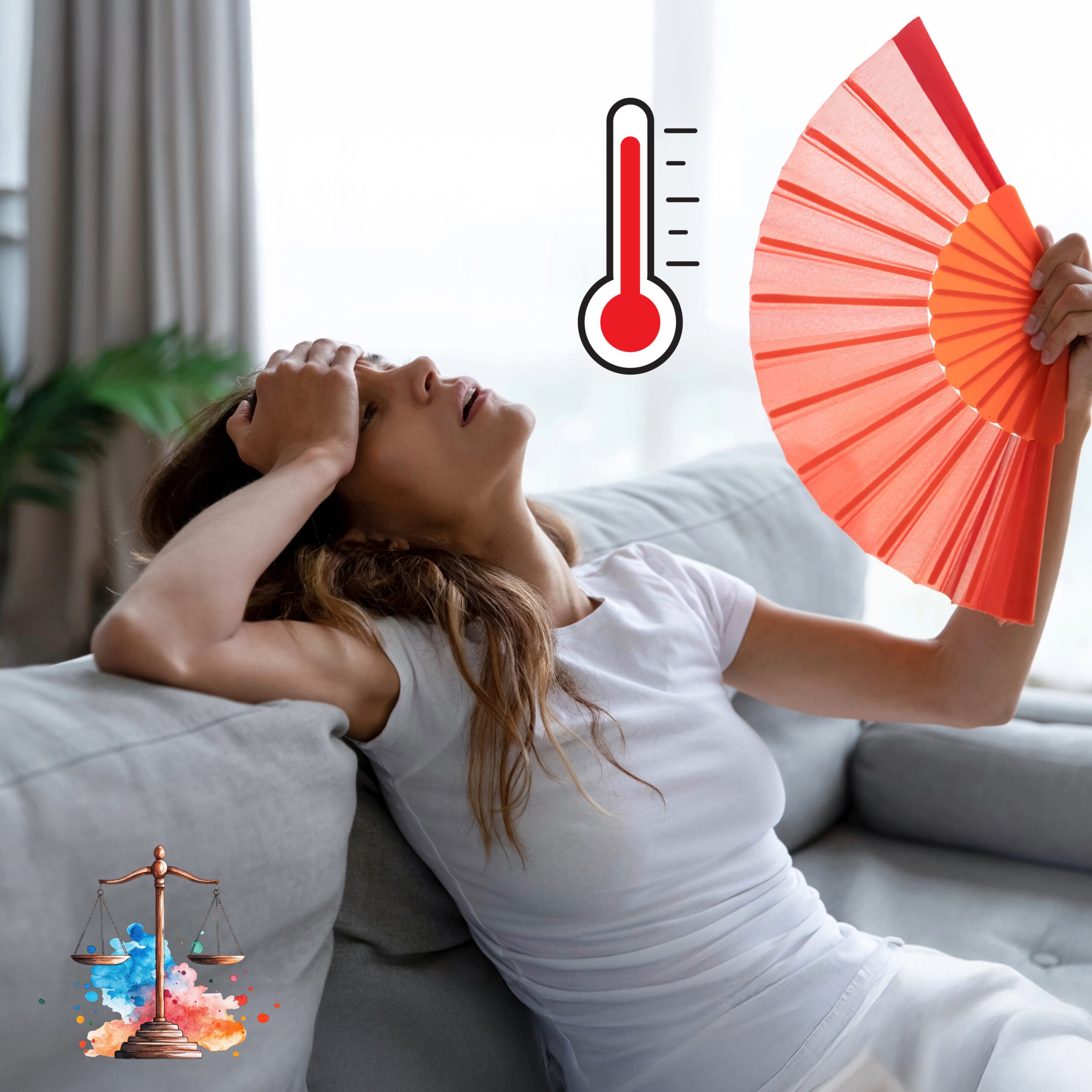
London tenants threaten legal action over excessive heat in flats
Possession Friend has drawn attention to Property118 about a group of tenants threatening legal action against their housing association over excessive heat.
In what could be the first case of its kind, residents living in flats managed by PA Housing in Woolwich, London, claim the flats are not fit for purpose, with temperatures reaching 43°C in the summer.
Chris Daniel, founder of Possession Friend, told Property118 that landlords now appear to face criticism whether they under-improve or over-improve their properties’ energy efficiency, particularly through insulation.
He also questioned whether the Homes (Fitness for Human Habitation) Act was really needed, given the powers local authorities already have.
Building is inhumane
The BBC reports that residents are planning to take action against their housing association, marking the first claim filed for excessive heat under the Homes (Fitness for Human Habitation) Act 2018.
A resident living in Canada Court and Clifton Lodge in Woolwich told the BBC the building was not fit for purpose.
Chris Sayudo, chair of the tenant association at Clifton Lodge and Canada Court, said the buildings’ corridors reached 48 degrees in the summer.
He told the BBC: “It’s a combination of problems; the build-up of heat in the building, because there’s no real ventilation, and the fact there are leaks in the cupboards and communal areas means there is a massive amount of mould.
“Not just in communal areas, but in our flats as well, because we don’t have ventilation. There’s a built-in new air ventilation system but it doesn’t do anything. It’s not effective.”
Will be putting measures in place to monitor internal temperatures
The BBC claim when they went to film the flats last year the communal cupboards were covered in thick black mould.
However, the housing association told the BBC they have now cleaned the mould and are supporting residents.
Michael McDonagh, chief executive of PA Housing, said the issue was mainly concentrated to communal intake cupboards rather than residents’ homes.
He told the BBC: “This is an issue that, we agree, needs to be addressed across the housing sector. Like most properties in the UK, Canada Court and Clifton Lodge were designed to keep heat in rather than keep them cool.
“However, when they were built, they met all relevant planning and building regulations at the time.
“All the same, we will be putting measures in place to monitor internal temperatures at both buildings as a way of understanding whether this is just an issue during excessive heat or throughout the year so we can support residents as much as we can.”
“This is a difficult situation that the sector and the government, not just PA Housing, need to address.”
Can you make a property too energy-efficient?
Mr Daniel tells Property118 that many private landlords remain concerned about the uncertainty surrounding EPC C requirements and questions whether cases such as this show how the legislation may be interpreted in practice
He said: “Landlords will want to ensure a good level of thermal efficiency for the benefit of their tenants and their properties. However, can you make a property ‘too energy efficient’?
“Many private landlords are still concerned about the uncertainty surrounding EPC C requirements and it would seem that you can, in this case, where a group of tenants complain that flats are too hot and therefore unfit for human habitation.
“Didn’t landlords express concern about how this legislation would be used and whether there was even a need for it, given local authority powers under the Housing Health and Safety Rating System (HHSRS)”
He adds: “If there could be any concerns about excess heat, then perhaps landlords add temperature checks to their morning routine and open windows before serving tenants breakfast in bed!”
When asked by Property118 for comment on the legal action case, PA Housing declined to comment.
The post London tenants threaten legal action over excessive heat in flats appeared first on Property118.
View Full Article: London tenants threaten legal action over excessive heat in flats
Categories
- Landlords (19)
- Real Estate (9)
- Renewables & Green Issues (1)
- Rental Property Investment (1)
- Tenants (21)
- Uncategorized (12,723)
Archives
- May 2026 (70)
- April 2026 (78)
- March 2026 (72)
- February 2026 (55)
- January 2026 (52)
- December 2025 (62)
- August 2025 (51)
- July 2025 (51)
- June 2025 (49)
- May 2025 (50)
- April 2025 (48)
- March 2025 (54)
- February 2025 (51)
- January 2025 (52)
- December 2024 (55)
- November 2024 (64)
- October 2024 (82)
- September 2024 (69)
- August 2024 (55)
- July 2024 (64)
- June 2024 (54)
- May 2024 (73)
- April 2024 (59)
- March 2024 (49)
- February 2024 (57)
- January 2024 (58)
- December 2023 (56)
- November 2023 (59)
- October 2023 (67)
- September 2023 (136)
- August 2023 (131)
- July 2023 (129)
- June 2023 (128)
- May 2023 (140)
- April 2023 (121)
- March 2023 (168)
- February 2023 (155)
- January 2023 (152)
- December 2022 (136)
- November 2022 (158)
- October 2022 (146)
- September 2022 (148)
- August 2022 (169)
- July 2022 (124)
- June 2022 (124)
- May 2022 (130)
- April 2022 (116)
- March 2022 (155)
- February 2022 (124)
- January 2022 (120)
- December 2021 (117)
- November 2021 (139)
- October 2021 (130)
- September 2021 (138)
- August 2021 (110)
- July 2021 (110)
- June 2021 (60)
- May 2021 (127)
- April 2021 (122)
- March 2021 (156)
- February 2021 (154)
- January 2021 (133)
- December 2020 (126)
- November 2020 (159)
- October 2020 (169)
- September 2020 (181)
- August 2020 (147)
- July 2020 (172)
- June 2020 (158)
- May 2020 (177)
- April 2020 (188)
- March 2020 (234)
- February 2020 (212)
- January 2020 (164)
- December 2019 (107)
- November 2019 (131)
- October 2019 (145)
- September 2019 (123)
- August 2019 (112)
- July 2019 (93)
- June 2019 (82)
- May 2019 (94)
- April 2019 (88)
- March 2019 (78)
- February 2019 (77)
- January 2019 (71)
- December 2018 (37)
- November 2018 (85)
- October 2018 (108)
- September 2018 (110)
- August 2018 (135)
- July 2018 (140)
- June 2018 (118)
- May 2018 (113)
- April 2018 (64)
- March 2018 (96)
- February 2018 (82)
- January 2018 (92)
- December 2017 (62)
- November 2017 (100)
- October 2017 (105)
- September 2017 (97)
- August 2017 (101)
- July 2017 (104)
- June 2017 (155)
- May 2017 (135)
- April 2017 (113)
- March 2017 (138)
- February 2017 (150)
- January 2017 (127)
- December 2016 (90)
- November 2016 (135)
- October 2016 (149)
- September 2016 (135)
- August 2016 (48)
- July 2016 (52)
- June 2016 (54)
- May 2016 (52)
- April 2016 (24)
- October 2014 (8)
- April 2012 (2)
- December 2011 (2)
- November 2011 (10)
- October 2011 (9)
- September 2011 (9)
- August 2011 (3)
Calendar
Recent Posts
- Feeling the heat? How we turned a landlord nightmare into a cool £12k win — without having to evict tenants
- Potential pitfalls when inheriting rental properties
- Private rented sector key to solving London housing crisis – NRLA
- New buy to let deals unveiled by four lenders
- Renters’ Rights Act information sheet deadline warning issued to landlords
