
Why the landlords best placed to expand are choosing not to
 admin
admin 

Property118

Why the landlords best placed to expand are choosing not to
On paper, the strongest candidates for expansion are easy to identify. They have low borrowing, substantial equity and established portfolios. They understand the market, have access to finance and, in many cases, have already proven their ability to grow successfully. If anyone were expected to continue expanding, it would be them, yet that is not what is happening.
A growing number of these landlords are choosing not to take the next step. The capacity is there, the experience is there, but the intent has shifted. That shift is important because it suggests that the limiting factor is no longer financial, it is strategic. Expansion always comes with trade-offs. More properties mean more exposure, more moving parts and more complexity. For landlords who have already reached a level of financial stability, those trade-offs are being reassessed. The question is no longer whether growth is possible; it is whether it is necessary. This is where the decision-making process changes. Instead of pursuing additional acquisitions as a default, landlords are becoming more selective. They are weighing the benefits of further growth against the value of maintaining what they already have.
Evidence of this can be seen in the Property118 Landlord Sentiment Survey Q1 2026, where many landlords report strong financial positions alongside a limited appetite for expansion.
That combination is not accidental, it reflects a market where capability and intention are no longer aligned. When the landlords best placed to expand choose not to, the effect is felt across the sector. Growth slows, competition for new acquisitions softens and the overall pace of activity becomes more measured. This is not a lack of opportunity, iIt is a shift in priorities.
For now, one conclusion stands out: the landlords with the greatest ability to grow are increasingly the ones deciding they no longer need to.
For many landlords, the question is not whether the market is changing, but what that change means for their own position.
If you are holding a portfolio with relatively low borrowing, or are beginning to reassess how your assets are structured, this is often the point where a more joined-up view becomes useful.
An invitation for established landlords
If you find the Property118 articles helpful and are curious about how those ideas apply to your own portfolio, you are welcome to take the conversation a step further.
These conversations are typically most useful for landlords with established portfolios and relatively modest borrowing who are beginning to reflect on how their assets could work more effectively in the years ahead.
/* “function”==typeof InitializeEditor,callIfLoaded:function(o){return!(!gform.domLoaded||!gform.scriptsLoaded||!gform.themeScriptsLoaded&&!gform.isFormEditor()||(gform.isFormEditor()&&console.warn(“The use of gform.initializeOnLoaded() is deprecated in the form editor context and will be removed in Gravity Forms 3.1.”),o(),0))},initializeOnLoaded:function(o){gform.callIfLoaded(o)||(document.addEventListener(“gform_main_scripts_loaded”,()=>{gform.scriptsLoaded=!0,gform.callIfLoaded(o)}),document.addEventListener(“gform/theme/scripts_loaded”,()=>{gform.themeScriptsLoaded=!0,gform.callIfLoaded(o)}),window.addEventListener(“DOMContentLoaded”,()=>{gform.domLoaded=!0,gform.callIfLoaded(o)}))},hooks:{action:{},filter:{}},addAction:function(o,r,e,t){gform.addHook(“action”,o,r,e,t)},addFilter:function(o,r,e,t){gform.addHook(“filter”,o,r,e,t)},doAction:function(o){gform.doHook(“action”,o,arguments)},applyFilters:function(o){return gform.doHook(“filter”,o,arguments)},removeAction:function(o,r){gform.removeHook(“action”,o,r)},removeFilter:function(o,r,e){gform.removeHook(“filter”,o,r,e)},addHook:function(o,r,e,t,n){null==gform.hooks[o][r]&&(gform.hooks[o][r]=[]);var d=gform.hooks[o][r];null==n&&(n=r+”_”+d.length),gform.hooks[o][r].push({tag:n,callable:e,priority:t=null==t?10:t})},doHook:function(r,o,e){var t;if(e=Array.prototype.slice.call(e,1),null!=gform.hooks[r][o]&&((o=gform.hooks[r][o]).sort(function(o,r){return o.priority-r.priority}),o.forEach(function(o){“function”!=typeof(t=o.callable)&&(t=window[t]),”action”==r?t.apply(null,e):e[0]=t.apply(null,e)})),”filter”==r)return e[0]},removeHook:function(o,r,t,n){var e;null!=gform.hooks[o][r]&&(e=(e=gform.hooks[o][r]).filter(function(o,r,e){return!!(null!=n&&n!=o.tag||null!=t&&t!=o.priority)}),gform.hooks[o][r]=e)}});
/* ]]> */
Enquire about a free initial discussion with a Property118 consultant
-
About you
So our Executive Assistant knows who to greet. -
Mr.Mrs.MissMs.Dr.Prof.Rev.
-
-
Your portfolio
A short picture of how you currently hold property. -
-
-
-
-
-
-
Your situation
So the conversation can start where it should. -
-
-
-
-
-
-
-
-
 Important Notice – Scope of Planning Support
Where our recommendations touch on areas requiring specialist or regulated input, we may refer you to appropriately authorised professionals for advice and implementation.
-
-
/* = 0;if(!is_postback){return;}var form_content = jQuery(this).contents().find(‘#gform_wrapper_585′);var is_confirmation = jQuery(this).contents().find(‘#gform_confirmation_wrapper_585′).length > 0;var is_redirect = contents.indexOf(‘gformRedirect(){‘) >= 0;var is_form = form_content.length > 0 && ! is_redirect && ! is_confirmation;var mt = parseInt(jQuery(‘html’).css(‘margin-top’), 10) + parseInt(jQuery(‘body’).css(‘margin-top’), 10) + 100;if(is_form){jQuery(‘#gform_wrapper_585′).html(form_content.html());if(form_content.hasClass(‘gform_validation_error’)){jQuery(‘#gform_wrapper_585′).addClass(‘gform_validation_error’);} else {jQuery(‘#gform_wrapper_585′).removeClass(‘gform_validation_error’);}setTimeout( function() { /* delay the scroll by 50 milliseconds to fix a bug in chrome */ }, 50 );if(window[‘gformInitDatepicker’]) {gformInitDatepicker();}if(window[‘gformInitPriceFields’]) {gformInitPriceFields();}var current_page = jQuery(‘#gform_source_page_number_585′).val();gformInitSpinner( 585, ‘https://www.property118.com/wp-content/plugins/gravityforms/images/spinner.svg’, true );jQuery(document).trigger(‘gform_page_loaded’, [585, current_page]);window[‘gf_submitting_585′] = false;}else if(!is_redirect){var confirmation_content = jQuery(this).contents().find(‘.GF_AJAX_POSTBACK’).html();if(!confirmation_content){confirmation_content = contents;}jQuery(‘#gform_wrapper_585′).replaceWith(confirmation_content);jQuery(document).trigger(‘gform_confirmation_loaded’, [585]);window[‘gf_submitting_585′] = false;wp.a11y.speak(jQuery(‘#gform_confirmation_message_585′).text());}else{jQuery(‘#gform_585′).append(contents);if(window[‘gformRedirect’]) {gformRedirect();}}jQuery(document).trigger(“gform_pre_post_render”, [{ formId: “585”, currentPage: “current_page”, abort: function() { this.preventDefault(); } }]); if (event && event.defaultPrevented) { return; } const gformWrapperDiv = document.getElementById( “gform_wrapper_585″ ); if ( gformWrapperDiv ) { const visibilitySpan = document.createElement( “span” ); visibilitySpan.id = “gform_visibility_test_585″; gformWrapperDiv.insertAdjacentElement( “afterend”, visibilitySpan ); } const visibilityTestDiv = document.getElementById( “gform_visibility_test_585″ ); let postRenderFired = false; function triggerPostRender() { if ( postRenderFired ) { return; } postRenderFired = true; gform.core.triggerPostRenderEvents( 585, current_page ); if ( visibilityTestDiv ) { visibilityTestDiv.parentNode.removeChild( visibilityTestDiv ); } } function debounce( func, wait, immediate ) { var timeout; return function() { var context = this, args = arguments; var later = function() { timeout = null; if ( !immediate ) func.apply( context, args ); }; var callNow = immediate && !timeout; clearTimeout( timeout ); timeout = setTimeout( later, wait ); if ( callNow ) func.apply( context, args ); }; } const debouncedTriggerPostRender = debounce( function() { triggerPostRender(); }, 200 ); if ( visibilityTestDiv && visibilityTestDiv.offsetParent === null ) { const observer = new MutationObserver( ( mutations ) => { mutations.forEach( ( mutation ) => { if ( mutation.type === ‘attributes’ && visibilityTestDiv.offsetParent !== null ) { debouncedTriggerPostRender(); observer.disconnect(); } }); }); observer.observe( document.body, { attributes: true, childList: false, subtree: true, attributeFilter: [ ‘style’, ‘class’ ], }); } else { triggerPostRender(); } } );} );
/* ]]> */
From there we can arrange a free introductory discussion to explore how your portfolio works as a whole and what that might mean for the years ahead.
|
★★★★★
|
Help other landlords find Property118If you have found Property118 useful, a short Trustpilot review would make a meaningful difference. It helps other landlords decide whether our research is worth following. |
The post Why the landlords best placed to expand are choosing not to appeared first on Property118.
View Full Article: Why the landlords best placed to expand are choosing not to
Home sales now take 104 days to exchange
Property118

Home sales now take 104 days to exchange
Home sales are taking more than 100 days to reach exchange for the first April on record, with leasehold deals dragging buyers and sellers into longer and riskier waits.
Connells Group says the average home that exchanged contracts in April had gone under offer 104 days earlier.
That is around four weeks longer than in April 2019, when the average was 76 days, which is above the roughly 60-day timeline seen in the early 2010s.
The group says 61% of transactions now take longer to exchange after a sale is agreed than the time needed to find a buyer.
Transaction process
Aneisha Beveridge, the research director at Connells Group, said: “For the first time on record, it is now taking more than 100 days, on average, for a sale to progress from offer agreed to exchange.
“That highlights how much more drawn-out the transaction process has become, particularly since the pandemic.
“Extra checks, longer chains and tighter legal and compliance requirements are all adding time, with leasehold purchases standing out as the biggest contributor to delays.”
She added: “The knock-on effect is that buyers and sellers are left exposed for longer once a deal is agreed, and we’re increasingly seeing more transactions collapse later in the process.
“As sales take longer to work their way through the system, buyers become more exposed to changes in mortgage rates and house prices if conditions shift during that period.
“That extended uncertainty builds further down the line.”
Takes longer to buy
Nearly one in five homes (17%), now take more than six months to reach exchange after going under offer.
That compares with 13% a year ago and 5% a decade earlier.
The difference between cash and mortgaged purchases has also started to reappear.
In April last year, both types of transaction took a similar length of time to reach exchange.
This April, homes bought with a mortgage took nine days longer than cash purchases.
The gap remains below the 15-day difference recorded in April 2022, when borrowing costs were higher and mortgage market volatility was more pronounced.
Leasehold takes longer
Connells says the typical leasehold home took 155 days to reach exchange in April, compared with 97 days for a freehold property.
The resulting 58-day gap is the widest on record and far above the 13-day difference seen before Covid.
More extensive legal requirements and delays by managing agents are being cited as factors behind the longer leasehold timeline.
The problem is most visible in markets with a higher share of flats, including London and other major urban centres, where leasehold homes account for a larger proportion of sales.
The post Home sales now take 104 days to exchange appeared first on Property118.
View Full Article: Home sales now take 104 days to exchange
Angela Rayner claims she will avoid fine in stamp duty scandal
Property118

Angela Rayner claims she will avoid fine in stamp duty scandal
Angela Rayner claims she has been “exonerated by HMRC of deliberately avoiding tax” and does not need to pay a financial penalty.
However, HMRC have declined to comment on Ms Rayner’s claim, with a spokesperson telling the Telegraph it could not respond due to confidentiality laws.
Ms Rayner resigned as Deputy Prime Minister and Housing Secretary after admitting she failed to pay the correct amount of stamp duty on her flat in Hove.
Have been exonerated by HMRC of the accusation
As previously reported on Property118, the row over Ms Rayner’s stamp duty centred on allegations she “dodged” £40,000 on an £800,000 seaside flat in Hove, East Sussex, by declaring it her primary residence.
According to The Times, Ms Rayner removed her name from the deeds of her Greater Manchester home weeks before purchasing the Hove property, enabling her to pay £30,000 in stamp duty instead of the £70,000 that would have applied if the flat were a second home.
However, Ms Rayner claims HMRC has now cleared her of “any wrongdoing”, and that she has since paid the £40,000 in unpaid stamp duty and will not face a fine.
In a statement on X, Ms Rayner said: “I have been exonerated by HMRC of the accusation that I deliberately sought to avoid tax.
“When purchasing a home of my own with a mortgage, I did not own any other property and had no personal financial interest in the court-instructed trust set up to manage my son’s financial award. I was advised by experts that I should pay stamp duty at the standard rate.
“I set out to pay the correct amount of tax. I took reasonable care and acted in good faith, based on the expert advice I received, and HMRC has accepted this.
“I have always sought to act with integrity, and I believe politicians should be held to high standards – that is why I resigned from government and cooperated fully with HMRC.
“I wanted to ensure that I paid every penny that I owed, and have done so.”
HMRC have declined to comment
However, HMRC has refused to comment on Ms Rayner’s claim.
A spokesperson told The Telegraph it would not deny that she had been cleared of any deliberate wrongdoing in relation to the stamp duty scandal, but said it could not comment further because of taxpayer confidentiality laws.
In an interview with The Guardian, Angela Rayner admitted some people would still feel uncomfortable about a former housing secretary paying the standard rate of stamp duty when HMRC later ruled she should have paid the higher rate.
She told The Guardian: “I understand that, but this is a very complex area of tax. It’s ambiguous and I did get advice at the time. Therefore, I felt like I’d done everything I could to ensure that I complied.”
The developments come as Ms Rayner is being tipped as a potential future Labour leadership contender, with Keir Starmer facing mounting pressure following Labour’s local election losses last week and growing unrest among Labour MPs.
The post Angela Rayner claims she will avoid fine in stamp duty scandal appeared first on Property118.
View Full Article: Angela Rayner claims she will avoid fine in stamp duty scandal
Higher landlord taxes mean higher rents – NRLA
Property118

Higher landlord taxes mean higher rents – NRLA
Tax rises affecting landlords which are due next year, could feed through into higher rents for tenants already under pressure.
The warning comes from the National Residential Landlords Association, which found that 46% of landlords plan to increase rents over the next 12 months because of the changes.
That’s because, from April 2027, income tax rates on property income will rise by two percentage points, following an announcement in last autumn’s Budget.
The poll also found that 35% of landlords expect to raise rents by more than they had previously planned, while 33% said they intend to sell one or more properties as a result of the tax rise.
Look in the mirror
The NRLA’s chief executive, Ben Beadle, said: “If the government is serious about easing cost of living pressures, it needs to look in the mirror.
“To be increasing the cost of providing rental housing, whilst keeping housing benefit support frozen, simply makes no sense.
“Renters will be left picking up the bill for the Chancellor’s tax hikes.”
He added: “The government needs to scrap plans that risk pushing rents higher and making it harder for people to find a home.
“And for those proposing rent controls as the answer, they do nothing to address the root cause of higher rents – rising costs and a chronic shortage of homes to meet demand.”
OBR points to tax issues
The Office for Budget Responsibility has previously warned that the policy would lead to higher rents.
Housing Minister Matthew Pennycook has also recently admitted that tax increases by the last government were the main driver of landlords selling properties.
The NRLA says taxes on landlords have grown further under the current government.
The issue comes as housing benefit remains frozen, leaving tenants who rely on support to access the private rented sector facing tighter budgets and greater difficulty sustaining tenancies.
The Institute for Fiscal Studies has warned that the government’s tight fiscal position is ‘no excuse for a system that creates uncertainty for renters and unfairness between local areas’.
The post Higher landlord taxes mean higher rents – NRLA appeared first on Property118.
View Full Article: Higher landlord taxes mean higher rents – NRLA
Alteration to pre 1 May student tenancy agreement?
Property118
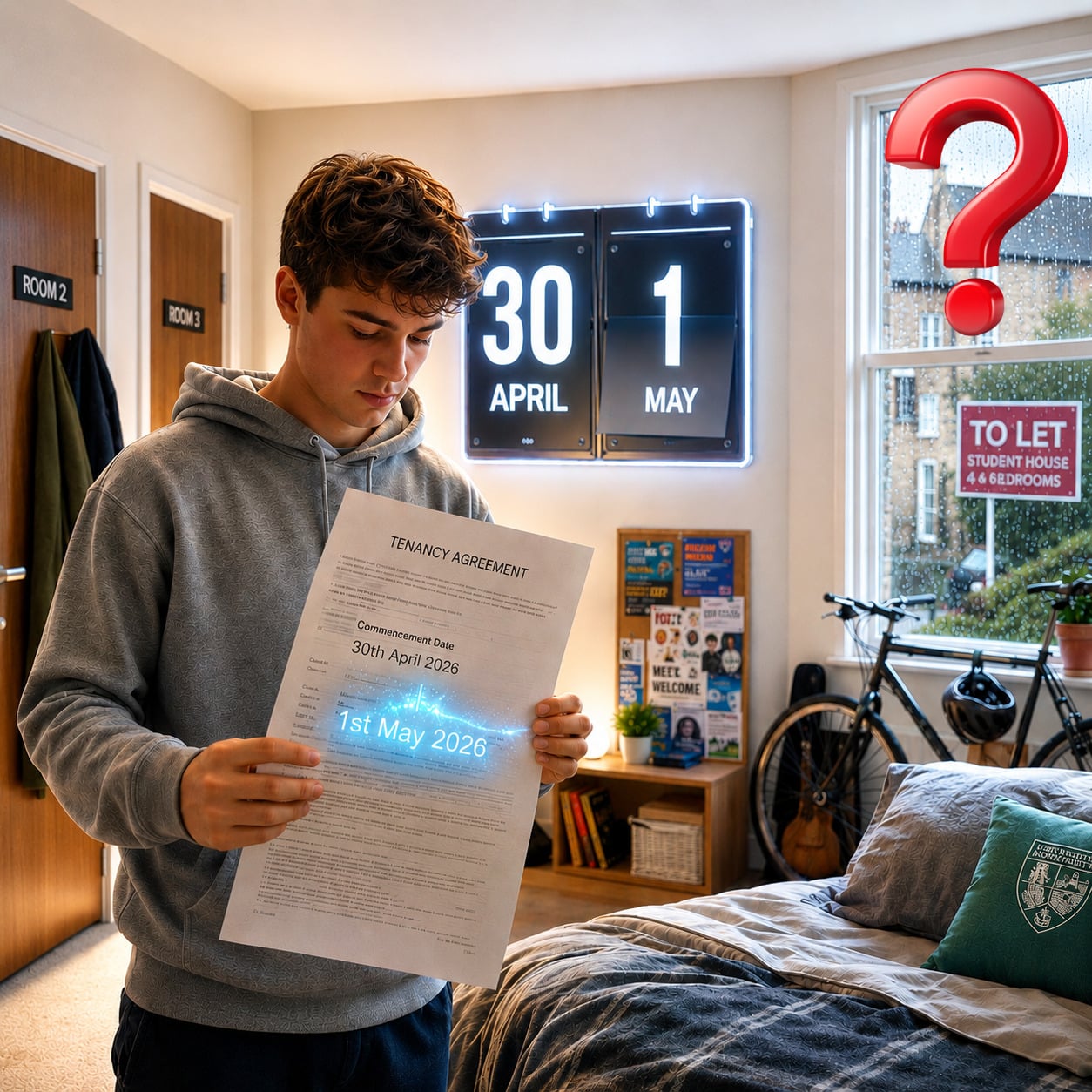
Alteration to pre 1 May student tenancy agreement?
Hello, A group of students signed an agreement before 1 May, before the Renters’ Rights Act, which starts later this year. They now want to alter this agreement to change one person named on the tenancy.
Can I amend the agreement (which has quarterly payments), or must a new agreement be issued for monthly payments?
I am aware of the other issues regarding notices, serving a copy of the information sheet, prescribed information, and any other compliance requirements that may arise from amending or reissuing the agreement. It is just this specific point I am seeking opinions on.
Any advice would be greatly appreciated.
Thanks,
Robert
The post Alteration to pre 1 May student tenancy agreement? appeared first on Property118.
View Full Article: Alteration to pre 1 May student tenancy agreement?
High equity, low appetite: why landlords are not reinvesting
Property118

High equity, low appetite: why landlords are not reinvesting
For years, equity was seen as fuel. Build it, release it, reinvest it. That was the cycle. As portfolios grew and values increased, landlords would refinance, extract capital and deploy it into further acquisitions. That cycle is now slowing, not because equity has disappeared, but because the appetite to use it has changed.
Many landlords now hold substantial levels of equity within their portfolios. In theory, that puts them in a strong position to expand. In practice, a growing number are choosing not to.
That shift is not about capability, it is about intent. Reinvesting equity requires a clear reason to do so. It involves additional borrowing, new commitments and a return to active portfolio growth. For landlords who have already reached a level of financial stability, that trade-off is no longer automatically attractive.
The question becomes more selective, not “can I reinvest?”, but “why would I?”.
This is where behaviour begins to diverge from expectation.
Data from the Property118 Landlord Sentiment Survey Q1 2026 reflects this pattern, with a large proportion of landlords reporting low loan-to-value ratios alongside a limited appetite for expansion.
That combination is telling. It suggests that capital is available, but not being deployed. Instead, many landlords are choosing to hold their position, prioritising income, stability and simplicity over further growth. Equity remains within the portfolio, not because it cannot be accessed, but because there is no compelling reason to use it.
This creates a different kind of market dynamic. When equity is no longer recycled into new acquisitions, the flow of investment slows. Fewer properties are added, fewer transactions take place and the overall pace of expansion begins to ease. The market does not stop, it becomes more selective.
For now, one conclusion stands out: landlords are not short of equity, they are increasingly short of reasons to reinvest it.
For many landlords, the question is not whether the market is changing, but what that change means for their own position.
If you are holding a portfolio with relatively low borrowing, or are beginning to reassess how your assets are structured, this is often the point where a more joined-up view becomes useful.
An invitation for established landlords
If you find the Property118 articles helpful and are curious about how those ideas apply to your own portfolio, you are welcome to take the conversation a step further.
These conversations are typically most useful for landlords with established portfolios and relatively modest borrowing who are beginning to reflect on how their assets could work more effectively in the years ahead.
/* “function”==typeof InitializeEditor,callIfLoaded:function(o){return!(!gform.domLoaded||!gform.scriptsLoaded||!gform.themeScriptsLoaded&&!gform.isFormEditor()||(gform.isFormEditor()&&console.warn(“The use of gform.initializeOnLoaded() is deprecated in the form editor context and will be removed in Gravity Forms 3.1.”),o(),0))},initializeOnLoaded:function(o){gform.callIfLoaded(o)||(document.addEventListener(“gform_main_scripts_loaded”,()=>{gform.scriptsLoaded=!0,gform.callIfLoaded(o)}),document.addEventListener(“gform/theme/scripts_loaded”,()=>{gform.themeScriptsLoaded=!0,gform.callIfLoaded(o)}),window.addEventListener(“DOMContentLoaded”,()=>{gform.domLoaded=!0,gform.callIfLoaded(o)}))},hooks:{action:{},filter:{}},addAction:function(o,r,e,t){gform.addHook(“action”,o,r,e,t)},addFilter:function(o,r,e,t){gform.addHook(“filter”,o,r,e,t)},doAction:function(o){gform.doHook(“action”,o,arguments)},applyFilters:function(o){return gform.doHook(“filter”,o,arguments)},removeAction:function(o,r){gform.removeHook(“action”,o,r)},removeFilter:function(o,r,e){gform.removeHook(“filter”,o,r,e)},addHook:function(o,r,e,t,n){null==gform.hooks[o][r]&&(gform.hooks[o][r]=[]);var d=gform.hooks[o][r];null==n&&(n=r+”_”+d.length),gform.hooks[o][r].push({tag:n,callable:e,priority:t=null==t?10:t})},doHook:function(r,o,e){var t;if(e=Array.prototype.slice.call(e,1),null!=gform.hooks[r][o]&&((o=gform.hooks[r][o]).sort(function(o,r){return o.priority-r.priority}),o.forEach(function(o){“function”!=typeof(t=o.callable)&&(t=window[t]),”action”==r?t.apply(null,e):e[0]=t.apply(null,e)})),”filter”==r)return e[0]},removeHook:function(o,r,t,n){var e;null!=gform.hooks[o][r]&&(e=(e=gform.hooks[o][r]).filter(function(o,r,e){return!!(null!=n&&n!=o.tag||null!=t&&t!=o.priority)}),gform.hooks[o][r]=e)}});
/* ]]> */
Enquire about a free initial discussion with a Property118 consultant
-
About you
So our Executive Assistant knows who to greet. -
Mr.Mrs.MissMs.Dr.Prof.Rev.
-
-
Your portfolio
A short picture of how you currently hold property. -
-
-
-
-
-
-
Your situation
So the conversation can start where it should. -
-
-
-
-
-
-
-
-
Important Notice – Scope of Planning Support
Where our recommendations touch on areas requiring specialist or regulated input, we may refer you to appropriately authorised professionals for advice and implementation.
-
-
/* = 0;if(!is_postback){return;}var form_content = jQuery(this).contents().find(‘#gform_wrapper_585′);var is_confirmation = jQuery(this).contents().find(‘#gform_confirmation_wrapper_585′).length > 0;var is_redirect = contents.indexOf(‘gformRedirect(){‘) >= 0;var is_form = form_content.length > 0 && ! is_redirect && ! is_confirmation;var mt = parseInt(jQuery(‘html’).css(‘margin-top’), 10) + parseInt(jQuery(‘body’).css(‘margin-top’), 10) + 100;if(is_form){jQuery(‘#gform_wrapper_585′).html(form_content.html());if(form_content.hasClass(‘gform_validation_error’)){jQuery(‘#gform_wrapper_585′).addClass(‘gform_validation_error’);} else {jQuery(‘#gform_wrapper_585′).removeClass(‘gform_validation_error’);}setTimeout( function() { /* delay the scroll by 50 milliseconds to fix a bug in chrome */ }, 50 );if(window[‘gformInitDatepicker’]) {gformInitDatepicker();}if(window[‘gformInitPriceFields’]) {gformInitPriceFields();}var current_page = jQuery(‘#gform_source_page_number_585′).val();gformInitSpinner( 585, ‘https://www.property118.com/wp-content/plugins/gravityforms/images/spinner.svg’, true );jQuery(document).trigger(‘gform_page_loaded’, [585, current_page]);window[‘gf_submitting_585′] = false;}else if(!is_redirect){var confirmation_content = jQuery(this).contents().find(‘.GF_AJAX_POSTBACK’).html();if(!confirmation_content){confirmation_content = contents;}jQuery(‘#gform_wrapper_585′).replaceWith(confirmation_content);jQuery(document).trigger(‘gform_confirmation_loaded’, [585]);window[‘gf_submitting_585′] = false;wp.a11y.speak(jQuery(‘#gform_confirmation_message_585′).text());}else{jQuery(‘#gform_585′).append(contents);if(window[‘gformRedirect’]) {gformRedirect();}}jQuery(document).trigger(“gform_pre_post_render”, [{ formId: “585”, currentPage: “current_page”, abort: function() { this.preventDefault(); } }]); if (event && event.defaultPrevented) { return; } const gformWrapperDiv = document.getElementById( “gform_wrapper_585″ ); if ( gformWrapperDiv ) { const visibilitySpan = document.createElement( “span” ); visibilitySpan.id = “gform_visibility_test_585″; gformWrapperDiv.insertAdjacentElement( “afterend”, visibilitySpan ); } const visibilityTestDiv = document.getElementById( “gform_visibility_test_585″ ); let postRenderFired = false; function triggerPostRender() { if ( postRenderFired ) { return; } postRenderFired = true; gform.core.triggerPostRenderEvents( 585, current_page ); if ( visibilityTestDiv ) { visibilityTestDiv.parentNode.removeChild( visibilityTestDiv ); } } function debounce( func, wait, immediate ) { var timeout; return function() { var context = this, args = arguments; var later = function() { timeout = null; if ( !immediate ) func.apply( context, args ); }; var callNow = immediate && !timeout; clearTimeout( timeout ); timeout = setTimeout( later, wait ); if ( callNow ) func.apply( context, args ); }; } const debouncedTriggerPostRender = debounce( function() { triggerPostRender(); }, 200 ); if ( visibilityTestDiv && visibilityTestDiv.offsetParent === null ) { const observer = new MutationObserver( ( mutations ) => { mutations.forEach( ( mutation ) => { if ( mutation.type === ‘attributes’ && visibilityTestDiv.offsetParent !== null ) { debouncedTriggerPostRender(); observer.disconnect(); } }); }); observer.observe( document.body, { attributes: true, childList: false, subtree: true, attributeFilter: [ ‘style’, ‘class’ ], }); } else { triggerPostRender(); } } );} );
/* ]]> */
From there we can arrange a free introductory discussion to explore how your portfolio works as a whole and what that might mean for the years ahead.
|
★★★★★
|
Help other landlords find Property118If you have found Property118 useful, a short Trustpilot review would make a meaningful difference. It helps other landlords decide whether our research is worth following. |
The post High equity, low appetite: why landlords are not reinvesting appeared first on Property118.
View Full Article: High equity, low appetite: why landlords are not reinvesting
Council considers extending selective licensing scheme
Property118

Council considers extending selective licensing scheme
A council has decided to press ahead with a public consultation on its selective licensing scheme.
Durham County Council has announced a 10-week consultation on whether its selective licensing scheme should go beyond March 2027.
The news comes after Great Yarmouth council was branded “deluded” by a landlord over its claims that selective licensing will not cause rent rises.
Provide additional support to landlords
The new selective licensing scheme would cover more than 20,000 properties in the area, covering 27% of the county.
Councillor Joe Quinn, cabinet member for planning, investment and assets, said: “In County Durham, we have a large private rental sector. In some areas, it is estimated that up to 60% of all homes are in the private rental sector. While many of these homes are good quality, much of the stock is older, not energy efficient, or in need of repair or refurbishment.
“A key priority in our County Durham Housing Strategy is to ensure everyone has access to appropriate, safe, and secure housing. One way in which we are achieving this is by ensuring effective landlord services through our selective licensing scheme.
“Over the last five years, the selective licensing scheme has allowed us to work closer with landlords and provide additional support to ensure their rental properties are of a high standard and meet the needs of residents.
“It has also allowed us, where needed, to take enforcement action when a landlord has failed to engage with the scheme and not provided safe housing for their tenants.”
The council has confirmed areas which are included in the current scheme but no longer meet the criteria for a designated area will be removed from April 2027.
The post Council considers extending selective licensing scheme appeared first on Property118.
View Full Article: Council considers extending selective licensing scheme
What you might not know about Inheritance Tax and Whole of Life insurance
Property118

What you might not know about Inheritance Tax and Whole of Life insurance
One of the biggest misconceptions surrounding inheritance tax planning is that people can “sort it out later”.
In reality, delaying inheritance tax planning, especially when it relies on Whole of Life cover, has a direct and measurable cost that compounds with every birthday and every change in health.
Many landlords now sit on portfolios worth several million pounds, yet still postpone meaningful IHT planning or, some might say ‘selfishly‘ leave the problem to their children to “work it out when the time comes”.
As explained previously in Why Whole of Life in trust might be the most misunderstood legacy savings plan available, the purpose of this type of planning is liquidity, certainty and control at precisely the moment a family is most vulnerable.
The timing of when you arrange cover can materially change affordability.
Take the following indicative monthly premiums for £1 million of Whole of Life cover for a single male ingood health:
| Age | Monthly premium |
|---|---|
| 55 | £1,083.31 |
| 60 | £1,328.20 |
| 65 | £1,789.18 |
| 70 | £2,364.00 |
Those figures alone tell a powerful story, because waiting from age 55 to age 70 more than doubles the monthly premium. That increase is simply the insurer recognising that the statistical likelihood of a claim has increased substantially. Postponing also risks becoming uninsuranble, or worse!
The following is indicative pricing for a healthy married couple or civil partners on a Joint Life Second Death basis for the same £1 million sum assured:
| Age | Monthly premium |
|---|---|
| 55 | £860.00 |
| 60 | £990.48 |
| 65 | £1,307.00 |
| 70 | £1,655.00 |
Joint Life Second Death policies are often more suitable for married couples and civil partners. This is because, under current UK inheritance tax rules, transfers between spouses and civil partners are generally exempt from inheritance tax.
That means when the first person dies, assets can normally pass to the surviving spouse or civil partner without triggering an immediate inheritance tax charge. The real inheritance tax problem often arises on the second death, when the combined family wealth eventually passes down to children or other beneficiaries, and that is precisely why Joint Life Second Death policies exist. Rather than paying out on the first death, the policy pays once both individuals have died. From an inheritance tax planning perspective, this can align far more closely with the point at which the tax liability actually crystallises.
The above also explains why many long-term unmarried couples are now considering civil partnerships. In many cases, the decision is not ideological or symbolic, it is commercial, practical and family focused. A civil partnership can fundamentally alter inheritance tax exposure between a couple and can also make certain legacy planning structures materially more efficient. For some families, that single legal step can preserve hundreds of thousands of pounds that might otherwise be lost unnecessarily to inheritance tax or forced property sales.
The hidden risk is not just age
The hidden risk is also health.
As discussed in The £200,000 diagnosis: why timing matters in inheritance tax planning, many people wrongly assume that insurance remains available whenever they eventually decide to apply, but that is not how underwriting works.
A diagnosis of diabetes, heart disease, cancer, high blood pressure, obesity, or even relatively common medical issues can dramatically increase premiums. In some cases, cover may become unavailable altogether.
The difference between arranging cover at 55 versus attempting to arrange it at 65 after a medical diagnosis can easily run into hundreds of thousands of pounds over the lifetime of the policy.
Why writing the policy into trust is usually critical
For many landlords, the most important part of Whole of Life planning is not actually the policy itself, it’s how the policy is owned.
If a Whole of Life policy is not written into trust, the payout normally forms part of the deceased’s estate., and that can create two significant problems.
First, the insurance proceeds themselves may become subject to inheritance tax, which partially defeats the purpose of arranging the cover in the first place.
Second, the funds may become tied up in probate at precisely the moment beneficiaries need liquidity most urgently.
That delay can create serious practical problems for families with large property portfolios because mortgage payments still need to be maintained, properties still need to be managed and inheritance tax may still become payable before the estate is fully administered.
By contrast, when a policy is correctly written into trust, the proceeds will normally sit outside the estate and can usually be paid far more quickly to trustees for the benefit of the intended beneficiaries.
That speed and accessibility can make an enormous difference.
Rather than beneficiaries becoming forced sellers under time pressure, trustees may have immediate access to liquidity that can be used to reduce debt, cover inheritance tax liabilities, stabilise cashflow or simply provide breathing space whilst longer-term decisions are made properly.
In many cases, the trust structure is just as important as the insurance policy itself.
Trust planning can also become more sophisticated for larger estates. Some families use discretionary trusts to provide flexibility across generations, whilst others combine life cover with lending structures, business succession planning or wider asset protection strategies.
The correct structure depends entirely on personal circumstances, ownership arrangements, debt levels, family dynamics and longer-term objectives.
That is another reason why inheritance tax planning should never be reduced to simply “buying an insurance policy”. The legal structure surrounding the policy is often where much of the long-term value and protection actually sits.
Special thanks for Georgiana Lacey-Scane, a whole of market, FCA regulated, Independent Financial Adviser for providing the indicative monthly premiums and general commentary above. This must not, however, be regarded as financial advise.
Why liquidity matters for landlords
For landlords, there is another important consideration: property wealth is often highly illiquid.
A family may appear wealthy on paper whilst simultaneously lacking the cash required to pay inheritance tax bills, refinance debt, or maintain portfolio continuity after death.
Beneficiaries may then face pressure to sell properties quickly, accept discounted offers, or refinance under difficult circumstances. That can be particularly damaging if the estate includes properties that would otherwise have been retained for income, succession or long-term family security.
For those reasons, many experienced landlords now view Whole of Life cover written into trust less as an insurance purchase and more as a liquidity planning tool.
The objective is often not to make beneficiaries richer, it is to stop families becoming forced sellers at exactly the wrong moment.
The above is not financial advice, nor is Whole of Life insurance written into trust a ‘silver bullet’ that solves every inheritance tax problem. It is simply one of several planning tools that Property118 consultants may discuss where business continuity, legacy planning and inheritance tax mitigation are important considerations for you and your family.
Arrange a free initial 30-minute Zoom consultation
OR …
/* “function”==typeof InitializeEditor,callIfLoaded:function(o){return!(!gform.domLoaded||!gform.scriptsLoaded||!gform.themeScriptsLoaded&&!gform.isFormEditor()||(gform.isFormEditor()&&console.warn(“The use of gform.initializeOnLoaded() is deprecated in the form editor context and will be removed in Gravity Forms 3.1.”),o(),0))},initializeOnLoaded:function(o){gform.callIfLoaded(o)||(document.addEventListener(“gform_main_scripts_loaded”,()=>{gform.scriptsLoaded=!0,gform.callIfLoaded(o)}),document.addEventListener(“gform/theme/scripts_loaded”,()=>{gform.themeScriptsLoaded=!0,gform.callIfLoaded(o)}),window.addEventListener(“DOMContentLoaded”,()=>{gform.domLoaded=!0,gform.callIfLoaded(o)}))},hooks:{action:{},filter:{}},addAction:function(o,r,e,t){gform.addHook(“action”,o,r,e,t)},addFilter:function(o,r,e,t){gform.addHook(“filter”,o,r,e,t)},doAction:function(o){gform.doHook(“action”,o,arguments)},applyFilters:function(o){return gform.doHook(“filter”,o,arguments)},removeAction:function(o,r){gform.removeHook(“action”,o,r)},removeFilter:function(o,r,e){gform.removeHook(“filter”,o,r,e)},addHook:function(o,r,e,t,n){null==gform.hooks[o][r]&&(gform.hooks[o][r]=[]);var d=gform.hooks[o][r];null==n&&(n=r+”_”+d.length),gform.hooks[o][r].push({tag:n,callable:e,priority:t=null==t?10:t})},doHook:function(r,o,e){var t;if(e=Array.prototype.slice.call(e,1),null!=gform.hooks[r][o]&&((o=gform.hooks[r][o]).sort(function(o,r){return o.priority-r.priority}),o.forEach(function(o){“function”!=typeof(t=o.callable)&&(t=window[t]),”action”==r?t.apply(null,e):e[0]=t.apply(null,e)})),”filter”==r)return e[0]},removeHook:function(o,r,t,n){var e;null!=gform.hooks[o][r]&&(e=(e=gform.hooks[o][r]).filter(function(o,r,e){return!!(null!=n&&n!=o.tag||null!=t&&t!=o.priority)}),gform.hooks[o][r]=e)}});
/* ]]> */
Contact Georgianna Lacey-Scane
-
Mr.Mrs.MissMs.Dr.Prof.Rev.
-
-
Important Notice – Scope of Planning Support
Where our recommendations touch on areas requiring regulated input, we refer clients to appropriately authorised professionals for advice and execution.
-
-
-
/* = 0;if(!is_postback){return;}var form_content = jQuery(this).contents().find(‘#gform_wrapper_588′);var is_confirmation = jQuery(this).contents().find(‘#gform_confirmation_wrapper_588′).length > 0;var is_redirect = contents.indexOf(‘gformRedirect(){‘) >= 0;var is_form = form_content.length > 0 && ! is_redirect && ! is_confirmation;var mt = parseInt(jQuery(‘html’).css(‘margin-top’), 10) + parseInt(jQuery(‘body’).css(‘margin-top’), 10) + 100;if(is_form){jQuery(‘#gform_wrapper_588′).html(form_content.html());if(form_content.hasClass(‘gform_validation_error’)){jQuery(‘#gform_wrapper_588′).addClass(‘gform_validation_error’);} else {jQuery(‘#gform_wrapper_588′).removeClass(‘gform_validation_error’);}setTimeout( function() { /* delay the scroll by 50 milliseconds to fix a bug in chrome */ }, 50 );if(window[‘gformInitDatepicker’]) {gformInitDatepicker();}if(window[‘gformInitPriceFields’]) {gformInitPriceFields();}var current_page = jQuery(‘#gform_source_page_number_588′).val();gformInitSpinner( 588, ‘https://www.property118.com/wp-content/plugins/gravityforms/images/spinner.svg’, true );jQuery(document).trigger(‘gform_page_loaded’, [588, current_page]);window[‘gf_submitting_588′] = false;}else if(!is_redirect){var confirmation_content = jQuery(this).contents().find(‘.GF_AJAX_POSTBACK’).html();if(!confirmation_content){confirmation_content = contents;}jQuery(‘#gform_wrapper_588′).replaceWith(confirmation_content);jQuery(document).trigger(‘gform_confirmation_loaded’, [588]);window[‘gf_submitting_588′] = false;wp.a11y.speak(jQuery(‘#gform_confirmation_message_588′).text());}else{jQuery(‘#gform_588′).append(contents);if(window[‘gformRedirect’]) {gformRedirect();}}jQuery(document).trigger(“gform_pre_post_render”, [{ formId: “588”, currentPage: “current_page”, abort: function() { this.preventDefault(); } }]); if (event && event.defaultPrevented) { return; } const gformWrapperDiv = document.getElementById( “gform_wrapper_588″ ); if ( gformWrapperDiv ) { const visibilitySpan = document.createElement( “span” ); visibilitySpan.id = “gform_visibility_test_588″; gformWrapperDiv.insertAdjacentElement( “afterend”, visibilitySpan ); } const visibilityTestDiv = document.getElementById( “gform_visibility_test_588″ ); let postRenderFired = false; function triggerPostRender() { if ( postRenderFired ) { return; } postRenderFired = true; gform.core.triggerPostRenderEvents( 588, current_page ); if ( visibilityTestDiv ) { visibilityTestDiv.parentNode.removeChild( visibilityTestDiv ); } } function debounce( func, wait, immediate ) { var timeout; return function() { var context = this, args = arguments; var later = function() { timeout = null; if ( !immediate ) func.apply( context, args ); }; var callNow = immediate && !timeout; clearTimeout( timeout ); timeout = setTimeout( later, wait ); if ( callNow ) func.apply( context, args ); }; } const debouncedTriggerPostRender = debounce( function() { triggerPostRender(); }, 200 ); if ( visibilityTestDiv && visibilityTestDiv.offsetParent === null ) { const observer = new MutationObserver( ( mutations ) => { mutations.forEach( ( mutation ) => { if ( mutation.type === ‘attributes’ && visibilityTestDiv.offsetParent !== null ) { debouncedTriggerPostRender(); observer.disconnect(); } }); }); observer.observe( document.body, { attributes: true, childList: false, subtree: true, attributeFilter: [ ‘style’, ‘class’ ], }); } else { triggerPostRender(); } } );} );
/* ]]> */
The post What you might not know about Inheritance Tax and Whole of Life insurance appeared first on Property118.
View Full Article: What you might not know about Inheritance Tax and Whole of Life insurance
Guidance clarifies council powers to enter premises and seize documents
Property118

Guidance clarifies council powers to enter premises and seize documents
Councils can enter a landlord’s business premises under rules set out in the Renters’ Rights Act.
However, government guidance makes clear that the business premises power cannot be used to enter premises that are wholly or mainly used as a home.
In December last year, under the Renters’ Rights Act, councils were given powers to carry out inspections.
The government has now issued further guidance explaining how councils can use powers of entry, apply for warrants, and seize documents during investigations.
Councils must provide written evidence
The guidance says a rental sector business is defined in the Renters’ Rights Act, as a business connected with:
- letting residential accommodation in England
- creating licences to occupy such accommodation
- marketing such accommodation for a tenancy or licence to occupy
- managing such accommodation under a tenancy or licence to occupy
The investigatory powers guidance says councils may apply to a justice of the peace for a warrant to enter specified rental sector business premises where a non-routine inspection cannot be carried out with at least 24 hours’ notice.
The guidance says councils must provide written evidence on oath that one of the following applies:
- entry has been refused, or there are reasonable grounds to believe entry will be refused, and the occupier has been notified of the intention to apply for a warrant
- giving notice might result in evidence being hidden, removed, or tampered with
- no occupier is present, and waiting for an occupier to be present would defeat the purpose of entry
The guidance also says councils must provide evidence that they are acting in an official capacity, and that there are reasonable grounds to suspect the premises are being used for rental sector business and are not wholly or mainly residential accommodation.
Councils must also have reasonable grounds to expect relevant documents to be held on the premises which may be required to be produced or may be liable to seizure under the Renters’ Rights Act.
Officers must usually provide identification
Under the powers, councils can seize documents in electronic or written form.
The guidance explains that councils may require documents to help determine whether there has been compliance with rented accommodation legislation where there are reasonable grounds to suspect non-compliance.
Where a document is held electronically, the guidance says councils may require a copy in a format that can be easily taken away, such as a hard copy.
The guidance says that where officers enter business premises without a warrant, they must provide at least one person on the premises with evidence of their identity and authority, if anyone is present.
It also says that where it is not reasonably practicable to provide identification, information gathered during the inspection may still be used.
The guidance says: “When using either of the powers of entry into a business premises, you have the power to seize and detain documents if you have a reasonable suspicion that they may be required as evidence in proceedings for a breach or offence under the rented accommodation legislation.”
It adds: “If there are people on the premises, before you seize documents, you must show at least one person proof of your identity and authority. However, if it is not reasonably practicable to do so, you do not need to.”
Councils have more power than the police
Landlord law expert at Landlord Licensing & Defence, Phil Turtle, has previously told Property118 the new power of entry is simply embodying what councils have been able to bend the law to achieve for years.
He explains: “A council can still inspect a property even if the tenant and landlord refuse to give permission. Councils have more power than the police to enter your home.
“Already, before the Renters’ Rights Act powers of entry: The Housing Act gives councils entry under Section 239 which gives them the ability to go in and inspect because of an official complaint to determine whether any function under parts one to four of the Housing Act should be exercised. If the council think anything is wrong in the property or if anybody has complained, they can go in under Section 239 in 24 hours.”
“But when dealing with an unlicensed property, councils do not need to give 24-hour notice. If the council believe that there is an offence under Housing Act 2004 Section 72 which is anything to do with HMO licensing or Section 95 (selective licensing) and they have reason to believe the property is unlicensed, they don’t need to give notice they can just turn-up and demand entry.
“Often the council will do a dawn-style raid at five in the morning with eight or so officers dressed to look like police uniforms, and they’ll threaten their way in.”
He says landlords and tenants can be fined if they obstruct entry to the inspection.
He adds: “We hear so many stories that councils tell foreign nationals that if they don’t let them in, they will get deported.
“The officers will barge their way upstairs to count how many people are in beds and claim they are all living there. Councils seem to think that an unlicensed HMO is second only to murder!
“If a landlord or a tenant obstructs this entry, it will be classed as a level four fine costing up to £2,500, and they can still enter the property!
The post Guidance clarifies council powers to enter premises and seize documents appeared first on Property118.
View Full Article: Guidance clarifies council powers to enter premises and seize documents
The great landlord contradiction: wanting companies, stuck in personal ownership
Property118

The great landlord contradiction: wanting companies, stuck in personal ownership
If most landlords were starting again today, many would not structure things the same way. That is becoming increasingly clear. There is a growing disconnect between how portfolios are currently held and how landlords would choose to hold them if given a clean slate. The preference has shifted, but the structure has not. That gap is not accidental. It reflects friction.
For landlords who have built portfolios over many years, decisions were made under different conditions. Financing, tax treatment and practical considerations all pointed towards personal ownership at the time. Those decisions were rational when they were made.
The problem is that structures do not evolve as easily as thinking does. Changing ownership is rarely straightforward. It can involve financing constraints, tax considerations and legal complexity, all of which create inertia. As a result, many landlords find themselves operating within structures that no longer reflect how they would choose to invest today. This creates a tension. On one hand, there is a clear preference for a different approach. On the other, there are practical barriers to getting there.
Evidence of this can be seen in the Property118 Landlord Sentiment Survey Q1 2026, where a majority of landlords still hold property in personal ownership, despite many indicating that they would favour company structures for future acquisitions.
That combination is telling because it shows that the issue is not awareness, it is implementation. Landlords understand the direction they would take if starting today, but existing portfolios anchor them to decisions made in the past. Over time, that gap becomes more noticeable, particularly as portfolios mature and long-term planning becomes more important. This is where structural questions begin to move to the forefront, not because landlords are looking to make wholesale changes overnight, but because they are increasingly aware that their current structure may not fully support where they want to go next.
For now, one conclusion stands out: landlords are not lacking clarity about how they would invest today, they are navigating the complexity of changing what they built yesterday.
For many landlords, the question is not whether the market is changing, but what that change means for their own position.
If you are holding a portfolio with relatively low borrowing, or are beginning to reassess how your assets are structured, this is often the point where a more joined-up view becomes useful.
An invitation for established landlords
If you find the Property118 articles helpful and are curious about how those ideas apply to your own portfolio, you are welcome to take the conversation a step further.
These conversations are typically most useful for landlords with established portfolios and relatively modest borrowing who are beginning to reflect on how their assets could work more effectively in the years ahead.
/* “function”==typeof InitializeEditor,callIfLoaded:function(o){return!(!gform.domLoaded||!gform.scriptsLoaded||!gform.themeScriptsLoaded&&!gform.isFormEditor()||(gform.isFormEditor()&&console.warn(“The use of gform.initializeOnLoaded() is deprecated in the form editor context and will be removed in Gravity Forms 3.1.”),o(),0))},initializeOnLoaded:function(o){gform.callIfLoaded(o)||(document.addEventListener(“gform_main_scripts_loaded”,()=>{gform.scriptsLoaded=!0,gform.callIfLoaded(o)}),document.addEventListener(“gform/theme/scripts_loaded”,()=>{gform.themeScriptsLoaded=!0,gform.callIfLoaded(o)}),window.addEventListener(“DOMContentLoaded”,()=>{gform.domLoaded=!0,gform.callIfLoaded(o)}))},hooks:{action:{},filter:{}},addAction:function(o,r,e,t){gform.addHook(“action”,o,r,e,t)},addFilter:function(o,r,e,t){gform.addHook(“filter”,o,r,e,t)},doAction:function(o){gform.doHook(“action”,o,arguments)},applyFilters:function(o){return gform.doHook(“filter”,o,arguments)},removeAction:function(o,r){gform.removeHook(“action”,o,r)},removeFilter:function(o,r,e){gform.removeHook(“filter”,o,r,e)},addHook:function(o,r,e,t,n){null==gform.hooks[o][r]&&(gform.hooks[o][r]=[]);var d=gform.hooks[o][r];null==n&&(n=r+”_”+d.length),gform.hooks[o][r].push({tag:n,callable:e,priority:t=null==t?10:t})},doHook:function(r,o,e){var t;if(e=Array.prototype.slice.call(e,1),null!=gform.hooks[r][o]&&((o=gform.hooks[r][o]).sort(function(o,r){return o.priority-r.priority}),o.forEach(function(o){“function”!=typeof(t=o.callable)&&(t=window[t]),”action”==r?t.apply(null,e):e[0]=t.apply(null,e)})),”filter”==r)return e[0]},removeHook:function(o,r,t,n){var e;null!=gform.hooks[o][r]&&(e=(e=gform.hooks[o][r]).filter(function(o,r,e){return!!(null!=n&&n!=o.tag||null!=t&&t!=o.priority)}),gform.hooks[o][r]=e)}});
/* ]]> */
Enquire about a free initial discussion with a Property118 consultant
-
About you
So our Executive Assistant knows who to greet. -
Mr.Mrs.MissMs.Dr.Prof.Rev.
-
-
Your portfolio
A short picture of how you currently hold property. -
-
-
-
-
-
-
Your situation
So the conversation can start where it should. -
-
-
-
-
-
-
-
-
Important Notice – Scope of Planning Support
Where our recommendations touch on areas requiring specialist or regulated input, we may refer you to appropriately authorised professionals for advice and implementation.
-
-
/* = 0;if(!is_postback){return;}var form_content = jQuery(this).contents().find(‘#gform_wrapper_585′);var is_confirmation = jQuery(this).contents().find(‘#gform_confirmation_wrapper_585′).length > 0;var is_redirect = contents.indexOf(‘gformRedirect(){‘) >= 0;var is_form = form_content.length > 0 && ! is_redirect && ! is_confirmation;var mt = parseInt(jQuery(‘html’).css(‘margin-top’), 10) + parseInt(jQuery(‘body’).css(‘margin-top’), 10) + 100;if(is_form){jQuery(‘#gform_wrapper_585′).html(form_content.html());if(form_content.hasClass(‘gform_validation_error’)){jQuery(‘#gform_wrapper_585′).addClass(‘gform_validation_error’);} else {jQuery(‘#gform_wrapper_585′).removeClass(‘gform_validation_error’);}setTimeout( function() { /* delay the scroll by 50 milliseconds to fix a bug in chrome */ }, 50 );if(window[‘gformInitDatepicker’]) {gformInitDatepicker();}if(window[‘gformInitPriceFields’]) {gformInitPriceFields();}var current_page = jQuery(‘#gform_source_page_number_585′).val();gformInitSpinner( 585, ‘https://www.property118.com/wp-content/plugins/gravityforms/images/spinner.svg’, true );jQuery(document).trigger(‘gform_page_loaded’, [585, current_page]);window[‘gf_submitting_585′] = false;}else if(!is_redirect){var confirmation_content = jQuery(this).contents().find(‘.GF_AJAX_POSTBACK’).html();if(!confirmation_content){confirmation_content = contents;}jQuery(‘#gform_wrapper_585′).replaceWith(confirmation_content);jQuery(document).trigger(‘gform_confirmation_loaded’, [585]);window[‘gf_submitting_585′] = false;wp.a11y.speak(jQuery(‘#gform_confirmation_message_585′).text());}else{jQuery(‘#gform_585′).append(contents);if(window[‘gformRedirect’]) {gformRedirect();}}jQuery(document).trigger(“gform_pre_post_render”, [{ formId: “585”, currentPage: “current_page”, abort: function() { this.preventDefault(); } }]); if (event && event.defaultPrevented) { return; } const gformWrapperDiv = document.getElementById( “gform_wrapper_585″ ); if ( gformWrapperDiv ) { const visibilitySpan = document.createElement( “span” ); visibilitySpan.id = “gform_visibility_test_585″; gformWrapperDiv.insertAdjacentElement( “afterend”, visibilitySpan ); } const visibilityTestDiv = document.getElementById( “gform_visibility_test_585″ ); let postRenderFired = false; function triggerPostRender() { if ( postRenderFired ) { return; } postRenderFired = true; gform.core.triggerPostRenderEvents( 585, current_page ); if ( visibilityTestDiv ) { visibilityTestDiv.parentNode.removeChild( visibilityTestDiv ); } } function debounce( func, wait, immediate ) { var timeout; return function() { var context = this, args = arguments; var later = function() { timeout = null; if ( !immediate ) func.apply( context, args ); }; var callNow = immediate && !timeout; clearTimeout( timeout ); timeout = setTimeout( later, wait ); if ( callNow ) func.apply( context, args ); }; } const debouncedTriggerPostRender = debounce( function() { triggerPostRender(); }, 200 ); if ( visibilityTestDiv && visibilityTestDiv.offsetParent === null ) { const observer = new MutationObserver( ( mutations ) => { mutations.forEach( ( mutation ) => { if ( mutation.type === ‘attributes’ && visibilityTestDiv.offsetParent !== null ) { debouncedTriggerPostRender(); observer.disconnect(); } }); }); observer.observe( document.body, { attributes: true, childList: false, subtree: true, attributeFilter: [ ‘style’, ‘class’ ], }); } else { triggerPostRender(); } } );} );
/* ]]> */
From there we can arrange a free introductory discussion to explore how your portfolio works as a whole and what that might mean for the years ahead.
|
★★★★★
|
Help other landlords find Property118If you have found Property118 useful, a short Trustpilot review would make a meaningful difference. It helps other landlords decide whether our research is worth following. |
The post The great landlord contradiction: wanting companies, stuck in personal ownership appeared first on Property118.
View Full Article: The great landlord contradiction: wanting companies, stuck in personal ownership
Categories
- Landlords (19)
- Real Estate (9)
- Renewables & Green Issues (1)
- Rental Property Investment (1)
- Tenants (21)
- Uncategorized (12,732)
Archives
- June 2026 (9)
- May 2026 (70)
- April 2026 (78)
- March 2026 (72)
- February 2026 (55)
- January 2026 (52)
- December 2025 (62)
- August 2025 (51)
- July 2025 (51)
- June 2025 (49)
- May 2025 (50)
- April 2025 (48)
- March 2025 (54)
- February 2025 (51)
- January 2025 (52)
- December 2024 (55)
- November 2024 (64)
- October 2024 (82)
- September 2024 (69)
- August 2024 (55)
- July 2024 (64)
- June 2024 (54)
- May 2024 (73)
- April 2024 (59)
- March 2024 (49)
- February 2024 (57)
- January 2024 (58)
- December 2023 (56)
- November 2023 (59)
- October 2023 (67)
- September 2023 (136)
- August 2023 (131)
- July 2023 (129)
- June 2023 (128)
- May 2023 (140)
- April 2023 (121)
- March 2023 (168)
- February 2023 (155)
- January 2023 (152)
- December 2022 (136)
- November 2022 (158)
- October 2022 (146)
- September 2022 (148)
- August 2022 (169)
- July 2022 (124)
- June 2022 (124)
- May 2022 (130)
- April 2022 (116)
- March 2022 (155)
- February 2022 (124)
- January 2022 (120)
- December 2021 (117)
- November 2021 (139)
- October 2021 (130)
- September 2021 (138)
- August 2021 (110)
- July 2021 (110)
- June 2021 (60)
- May 2021 (127)
- April 2021 (122)
- March 2021 (156)
- February 2021 (154)
- January 2021 (133)
- December 2020 (126)
- November 2020 (159)
- October 2020 (169)
- September 2020 (181)
- August 2020 (147)
- July 2020 (172)
- June 2020 (158)
- May 2020 (177)
- April 2020 (188)
- March 2020 (234)
- February 2020 (212)
- January 2020 (164)
- December 2019 (107)
- November 2019 (131)
- October 2019 (145)
- September 2019 (123)
- August 2019 (112)
- July 2019 (93)
- June 2019 (82)
- May 2019 (94)
- April 2019 (88)
- March 2019 (78)
- February 2019 (77)
- January 2019 (71)
- December 2018 (37)
- November 2018 (85)
- October 2018 (108)
- September 2018 (110)
- August 2018 (135)
- July 2018 (140)
- June 2018 (118)
- May 2018 (113)
- April 2018 (64)
- March 2018 (96)
- February 2018 (82)
- January 2018 (92)
- December 2017 (62)
- November 2017 (100)
- October 2017 (105)
- September 2017 (97)
- August 2017 (101)
- July 2017 (104)
- June 2017 (155)
- May 2017 (135)
- April 2017 (113)
- March 2017 (138)
- February 2017 (150)
- January 2017 (127)
- December 2016 (90)
- November 2016 (135)
- October 2016 (149)
- September 2016 (135)
- August 2016 (48)
- July 2016 (52)
- June 2016 (54)
- May 2016 (52)
- April 2016 (24)
- October 2014 (8)
- April 2012 (2)
- December 2011 (2)
- November 2011 (10)
- October 2011 (9)
- September 2011 (9)
- August 2011 (3)
Calendar
Recent Posts
- The ability to adapt is the ability to succeed: landlording the smarter way
- Council’s landlord licensing schemes begin after landlords lose legal fight
- Government pushes action on overheating fears in social housing
- “I should have done this two years ago” – what one landlord said after selling a problem property
- Surge in demand for guarantors under Renters’ Rights Act
